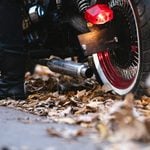
Fall Foliage Motorcycle Accidents in Kansas City

Fall foliage motorcycle accidents in Kansas City can happen when riders and drivers encounter changing road conditions, heavier seasonal traffic, and distractions caused by the area’s colorful autumn scenery. From routes near the Missouri River to roads leading toward Parkville, fall can be an enjoyable time to ride, but fallen leaves, reduced visibility, changing temperatures, and inattentive drivers can create additional hazards.
Missouri’s fall colors typically begin appearing in late September and peak in many areas around mid-to-late October. The Missouri Department of Conservation specifically recommends river routes, forested bluffs, ridges, and back roads for viewing fall scenery. For motorcyclists, however, beautiful scenery can come with conditions that demand extra attention.
If a negligent driver causes a crash, an injured rider may face substantial medical bills, time away from work, and a long recovery. A Kansas City motorcycle accident lawyer from Patterson Legal Group can help investigate what happened and pursue compensation when another person’s negligence caused the wreck.
Why Autumn Riding Can Create Additional Hazards
Fall does not automatically make Kansas City roads dangerous for motorcycles. Instead, several ordinary seasonal changes can combine to create more challenging riding conditions.
Wet leaves are one example. A layer of damp leaves can reduce traction, particularly when it covers a curve, intersection, or other portion of the roadway where a rider needs to brake or turn. Leaves can also obscure potholes, pavement defects, road markings, or other traffic hazards.
Temperature changes can create another concern. A warm afternoon may encourage a longer ride, while temperatures can fall quickly after sunset. Cooler pavement and moisture can affect road conditions, particularly during early mornings and evenings.
Drivers may also be paying attention to things other than traffic. A motorist looking toward colorful trees, a scenic overlook, a roadside attraction, or a changing landscape can miss a motorcycle approaching from another direction. Missouri’s Department of Transportation (MODOT) reminds drivers to check mirrors and blind spots before changing lanes or merging and warns against distracted driving.
These risks can become particularly important on roads with curves, elevation changes, intersections, and limited sight distances.
Fall Foliage Motorcycle Accidents in Kansas City: Scenic Route Risks
Kansas City and surrounding communities offer plenty of opportunities to experience fall scenery. Parkville, for example, sits along the Missouri River and includes several parks and natural areas with views of the river and surrounding landscape. Highway 9 also provides access to the Parkville area and the Missouri River corridor.
A rider traveling this area may encounter changing traffic patterns, vehicles entering or leaving nearby destinations, pedestrians, cyclists, and motorists unfamiliar with the road. Curves and hills can further limit how much time a driver has to recognize and respond to a motorcycle.
Cliff Drive is another well-known Kansas City fall-color destination. However, riders should be aware that the historic scenic byway is currently closed to motorized vehicles. Kansas City Parks describes Cliff Drive as a roughly 4.27-mile State Scenic Byway in George E. Kessler Park.
Other roads throughout the metro can still expose riders to similar seasonal conditions. Whether a crash occurs on a winding road, at an intersection, or along a busier highway, liability generally depends on the specific circumstances of the collision rather than simply the fact that it happened during the Fall season.
Common Causes of Fall Foliage Motorcycle Accidents in Kansas City
A fall motorcycle crash can have many possible causes. Some involve the rider, but others may result from another driver’s failure to use reasonable care.
Common examples include:
- A driver turning left in front of an approaching motorcycle
- A motorist changing lanes without checking a blind spot
- Failure to yield at an intersection
- Following a motorcycle too closely
- Speeding or driving too fast for road conditions
- Distracted driving
- Impaired driving
- Opening a vehicle door into a motorcycle’s path
- Failing to account for wet leaves or other roadway debris
Missouri law specifically provides that operating a motorcycle, by itself, is not evidence of comparative negligence. This can matter when an insurance company attempts to suggest that a rider’s choice to operate a motorcycle somehow establishes fault for a collision.
That does not mean every motorcycle accident automatically results in compensation. Evidence still matters. The circumstances surrounding the crash must be examined to determine what caused it and whether another party can be held responsible.
Injuries Can Be Serious Even at Lower Speeds
Motorcyclists do not have the same physical protection provided by a passenger vehicle’s frame, airbags, and other safety systems. When a motorcycle collides with another vehicle or a rider is thrown onto the pavement, the resulting injuries can be significant.
Potential injuries include:
- Road rash and other skin injuries
- Broken or fractured bones
- Shoulder and joint injuries
- Internal injuries
- Spinal cord injuries
- Traumatic brain injuries
- Neck and back injuries
- Permanent disabilities
Missouri’s Department of Transportation notes that motorcyclists are particularly vulnerable in crashes because they generally have less protection than occupants of passenger vehicles.
The full extent of an injury may not always be obvious immediately after a collision. Some injuries require ongoing treatment, rehabilitation, or additional procedures. Medical records can therefore become important evidence when documenting both the nature of an injury and the expenses associated with it.
What to Do After a Cliff Drive-Area or Kansas City Motorcycle Crash
After a motorcycle crash, immediate medical attention should take priority. Once emergency needs have been addressed, several steps can help preserve information about what happened.
Report the Collision
Contact law enforcement when appropriate and make sure the crash is documented. Missouri law requires certain qualifying motor vehicle accidents involving injury, death, or more than $500 in property damage to be reported to the Missouri Department of Revenue.
A police investigation may also document vehicle positions, roadway conditions, statements from drivers and witnesses, and other information that could later help establish how the collision occurred.
Photograph the Scene
If your injuries allow, photographs can help preserve conditions that may change quickly. Take pictures of the motorcycle, other vehicles, roadway surface, fallen leaves, visible damage, traffic signs, nearby intersections, and surrounding area.
This can be particularly important in an autumn crash because leaves may be swept away, wet conditions may dry, damaged vehicles may be repaired, and other physical evidence may disappear.
Get Medical Care
Even if injuries initially seem manageable, seek appropriate medical evaluation. Follow recommended treatment and keep records of appointments, prescriptions, therapy, and other accident-related expenses.
Preserve Potential Evidence
Depending on the circumstances, useful evidence may include photographs, surveillance video, witness statements, vehicle damage, crash reports, medical records, and information concerning the other driver’s actions immediately before the collision.
In a disputed case, evidence about distractions, roadway conditions, vehicle positioning, or visibility may become important to understanding what happened.
How Liability May Be Determined
Determining responsibility for a motorcycle accident requires looking at the facts surrounding the crash. A driver who failed to yield, crossed into a motorcycle’s lane, drove while distracted, or otherwise violated traffic rules may potentially be held responsible for resulting injuries.
Missouri uses comparative-fault principles in personal injury cases, meaning a person’s assigned fault can affect the amount of damages recovered. The details of how those principles apply depend on the specific claim and evidence.
A motorcycle accident investigation may therefore examine more than the final position of the vehicles. Roadway conditions, photographs, witness accounts, vehicle damage, medical records, available video, and other evidence can help establish the sequence of events.
For example, if a motorist claims that a motorcycle suddenly appeared in front of the vehicle, evidence from the roadway and surrounding area may help determine whether the driver had an adequate opportunity to see the motorcycle and respond.
Protecting Your Claim after a Motorcycle Wreck
Autumn scenery can make Kansas City’s roads especially inviting to motorcyclists, but seasonal conditions can change quickly. Wet leaves, cooler temperatures, changing visibility, and distracted motorists can all contribute to dangerous situations.
If you are involved in a Kansas City autumn motorcycle crash, prioritize your health, report the collision, preserve photographs and other evidence, and keep records related to your injuries and expenses.
The Missouri Department of Transportation also recommends that motorcyclists remain alert to road conditions and debris while encouraging other motorists to look twice for motorcycles and avoid distracted driving.
A motorcycle crash can leave you facing medical treatment, lost income, property damage, and uncertainty about what comes next. If another driver’s negligence caused your injuries, Patterson Legal Group can help you understand your legal options and pursue compensation for your losses.
Help after Fall Foliage Motorcycle Accidents in Kansas City
If you were injured in a motorcycle crash during a fall ride, the circumstances surrounding the collision deserve careful attention. Patterson Legal Group can investigate the accident, help identify evidence that may support your claim, and work to hold a negligent driver accountable.
Contact Patterson Legal Group to discuss your Kansas City motorcycle accident and learn more about pursuing compensation for accident-related injuries and losses. You can give us a call, fill out our contact form, or use LiveChat now to get started.
The information on this blog is for informational purposes only. It is not meant to serve as legal advice for an individual case or situation. This information is not intended to create an attorney-client relationship nor does viewing this material constitute an attorney-client relationship.