Impaired Driving Month: 3 Overlooked Forms of Impaired Driving
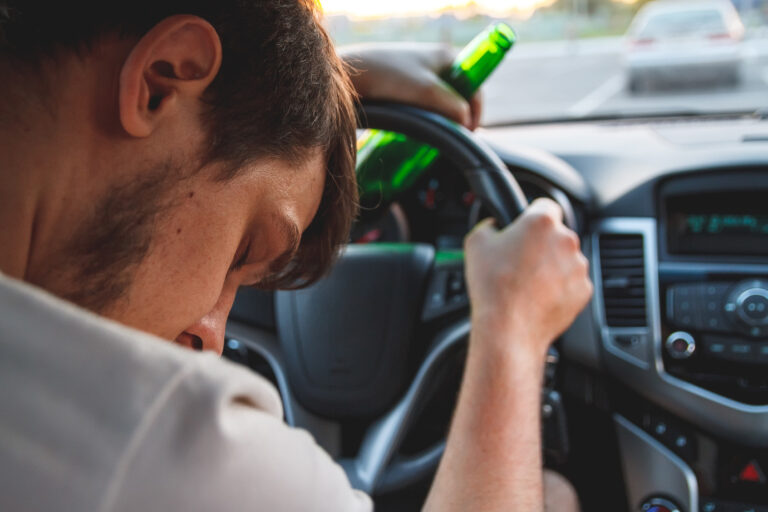
Most people associate impaired driving with one thing—alcohol. Others might include illegal drugs or certain prescription medications. But during Impaired Driving Month, it’s important to highlight a critical truth: some of the most dangerous and overlooked forms of impaired driving happen every day, even among people who consider themselves safe, responsible drivers.
From common lifestyle habits to everyday medical issues to emotional overload, several forms of impairment can affect reaction time, decision-making, and attention just as severely as alcohol. That’s why the Kansas car accident lawyers at Patterson Legal Group are here with the facts you need about the three most commonly overlooked forms of impaired driving.
1. Overlooked Forms of Impaired Driving: Physiological and Lifestyle Impairments
Some of the most surprising—and dangerous—forms of impaired driving stem from ordinary physical states. Drivers rarely think twice about them, which is exactly why they pose such a risk.
Dehydration
Mild dehydration may seem insignificant, but it can have a striking effect on driving ability. Drivers who are dehydrated tend to commit more driving errors than those who are properly hydrated.
The impact:
- Reduced concentration
- Slower reaction times
- Poorer decision-making
The Hangover Effect
Even when a person’s BAC returns to zero, the next-day “hangover impairment” can linger. Inflammation, electrolyte imbalance, and disrupted sleep can leave drivers cognitively sluggish long after the alcohol is gone.
The impact:
- Reduced attention and memory
- Slower responses
- Impaired coordination
Post-Meal Fatigue (“Food Coma”)
A heavy meal—especially one high in carbs or fat—triggers insulin release and diverts energy to digestion, leading to a sudden drop in alertness.
The impact:
- Drowsiness
- Reduced awareness
- Slower reflexes
This effect is even worse for drivers who are already tired.
Fatigue and Drowsy Driving
Fatigue is one of the most underestimated driving risks. Impairment from lack of sleep is often worse than impairment from alcohol.
You don’t have to fall asleep behind the wheel to be impaired. Being overly tired is enough to mimic intoxication.
2. Overlooked Forms of Impaired Driving: Medical and Transient Conditions
Temporary illnesses and fully legal medications frequently impair drivers—often without their awareness.
Colds and the Flu
Even a routine cold can slow your reaction time and produce brain fog.
The “sneezing blind” problem: A sneeze forces your eyes closed for about two seconds. At 60 mph, that means you’re driving blind for nearly 200 feet.
OTC & Prescription “Stacking”
While many drivers know opioid painkillers can impair driving, they often underestimate the risks of everyday medications.
Common offenders include:
- Antihistamines: Many allergy meds cause intense drowsiness.
- Benzodiazepines: Slow coordination and processing speed.
- Muscle relaxants: Decrease alertness.
Even more dangerous is stacking—taking two medications that are harmless alone but become impairing when combined.
3. Emotional and Cognitive Impairment
A driver’s state of mind can be just as impairing as alcohol or medication.
Emotional Intoxication
Strong emotions—anger, grief, frustration—trigger adrenaline and cortisol spikes that narrow a driver’s focus.
The impact:
- Tunnel vision
- Impulsive decisions
- Aggressive driving behaviors
- Reduced awareness of surrounding vehicles
Drivers may be physically present but mentally disconnected from the task of driving.
Inattention Blindness (Cognitive Distraction)
This is different from visual distraction. With inattention blindness, a driver may be looking at the road but not actually seeing it because their mind is focused on something else.
Examples include:
- A work-related phone call
- Rumination or daydreaming
- Mentally planning a task or conversation
This overload prevents the brain from fully processing visual cues—such as red lights, brake lights, or crossing pedestrians.
Here with Info You Need on Overlooked Forms of Impaired Driving
Here at Patterson Legal Group, we’re here to give you the information you need on the most commonly overlooked forms of impaired driving. We’re also here for you if you were injured in such an accident through no fault of your own. Our dedicated team of litigators and trial lawyers has a proven track record of success in securing settlements for those in Kansas, as well as in Missouri, Oklahoma, and Colorado. We will fight for you every step of the way.
Get started today with a free consultation by calling us at 888-687-2400 or going online through our secure contact form. You can also connect with our LiveChat representatives. We work under a “No Win, No Fee” promise, so you won’t pay anything unless we win. Reach out today and take the first step towards the money you deserve.