
How Is Property Damage Calculated in Personal Injury Claims?
When most people think of a personal injury claim, they picture medical bills, lost wages, and pain and suffering. But property damage is also an important part of these cases, especially when a car accident or another incident damages your personal belongings. Understanding how property damage is calculated in a personal injury claim can help you better prepare for the legal process and ensure you don’t leave money on the table. Which is why the Kansas personal injury lawyers at Patterson Legal Group are here with the info you need on how property damage is calculated.
What Counts as Property Damage in a Personal Injury Case?
Property damage in a personal injury claim typically refers to any physical damage caused to your belongings as a result of the accident. Common examples include:
- Motor vehicles: Cars, trucks, motorcycles, or bicycles involved in a crash.
- Personal items: Phones, laptops, jewelry, or clothing damaged in the incident.
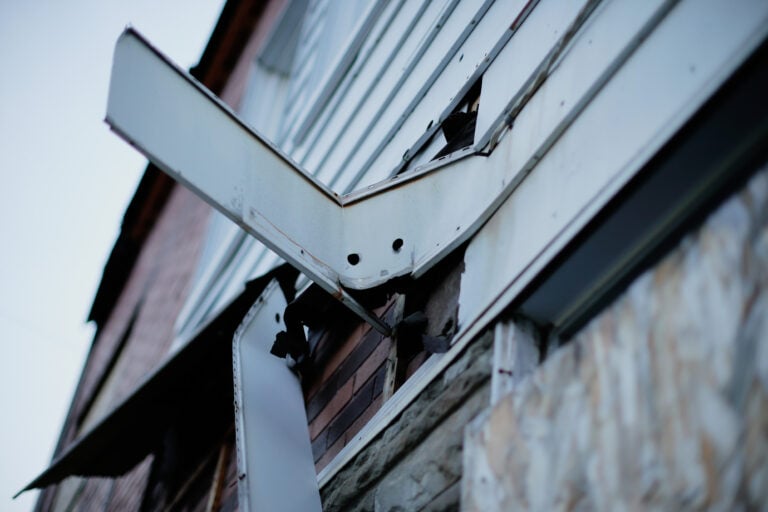
- Home or real property: Fences, garages, siding/walls, or other structural damage caused during an accident.
Essentially, if your property was damaged because of someone else’s negligence, you may be entitled to compensation for the cost of repair or replacement.
How Do Insurance Companies Calculate Property Damage?
Insurance adjusters rely on a mix of market value, repair estimates, and depreciation when deciding how much to pay for property damage. Here are the main factors:
1. Repair vs. Replacement Costs
- If your property can be repaired, the insurer will usually cover the cost of repair.
- If it cannot be reasonably repaired, you’ll receive compensation for the replacement value, minus depreciation.
2. Fair Market Value (FMV)
This refers to what your property was worth immediately before the accident. For example, if your car was five years old, the payout will reflect its pre-accident market value, not the cost of a brand-new car.
3. Depreciation
Wear and tear, age, and prior damage all factor into depreciation. A newer vehicle or item will generally yield higher compensation than an older, heavily used one.
4. Diminished Value
In some cases, even after a repair, your car or property may be worth less than it was before the accident. Kansas and Missouri law may allow you to claim this diminished value, especially in vehicle accident cases.
Documentation Matters
The strength of your property damage claim often depends on the evidence you provide. Helpful documentation includes:
- Photos of the damage from multiple angles.
- Repair estimates from reputable shops.
- Receipts or records proving the original purchase price.
- Appraisals of high-value items.
- A police report confirming the accident.
Having this information ready makes it harder for insurance adjusters to undervalue your claim.
Contact a Trusted Kansas Injury Attorney
Here at Patterson Legal Group, we’re here to give you the information you need on how property damage is calculated in personal injury claims. We’re also here for you if you’re currently dealing with property damage through no fault of your own. Our dedicated team of litigators and trial lawyers has a proven track record of success in securing settlements for those in Kansas, as well as in Missouri, Oklahoma, and Colorado. We will fight for you every step of the way.
Get started today with a free consultation by calling us at 888-687-2400 or going online through our secure contact form. You can also connect with our LiveChat representatives. We work under a “No Win, No Fee” promise, so you won’t pay anything unless we win. Reach out today and take the first step towards the money you deserve.